
The first time someone uses their Paytient card for healthcare, they don't test the water. They dive in.
Twenty-seven percent of employees' very first transactions are $300 or more. An MRI finally scheduled. A dental procedure no longer postponed. A specialist visit that kept getting pushed to someday. And for those employees, the average first swipe is $702 — the median, $533. These aren't borderline cases. That's the weight of deferred care, measured in dollars.
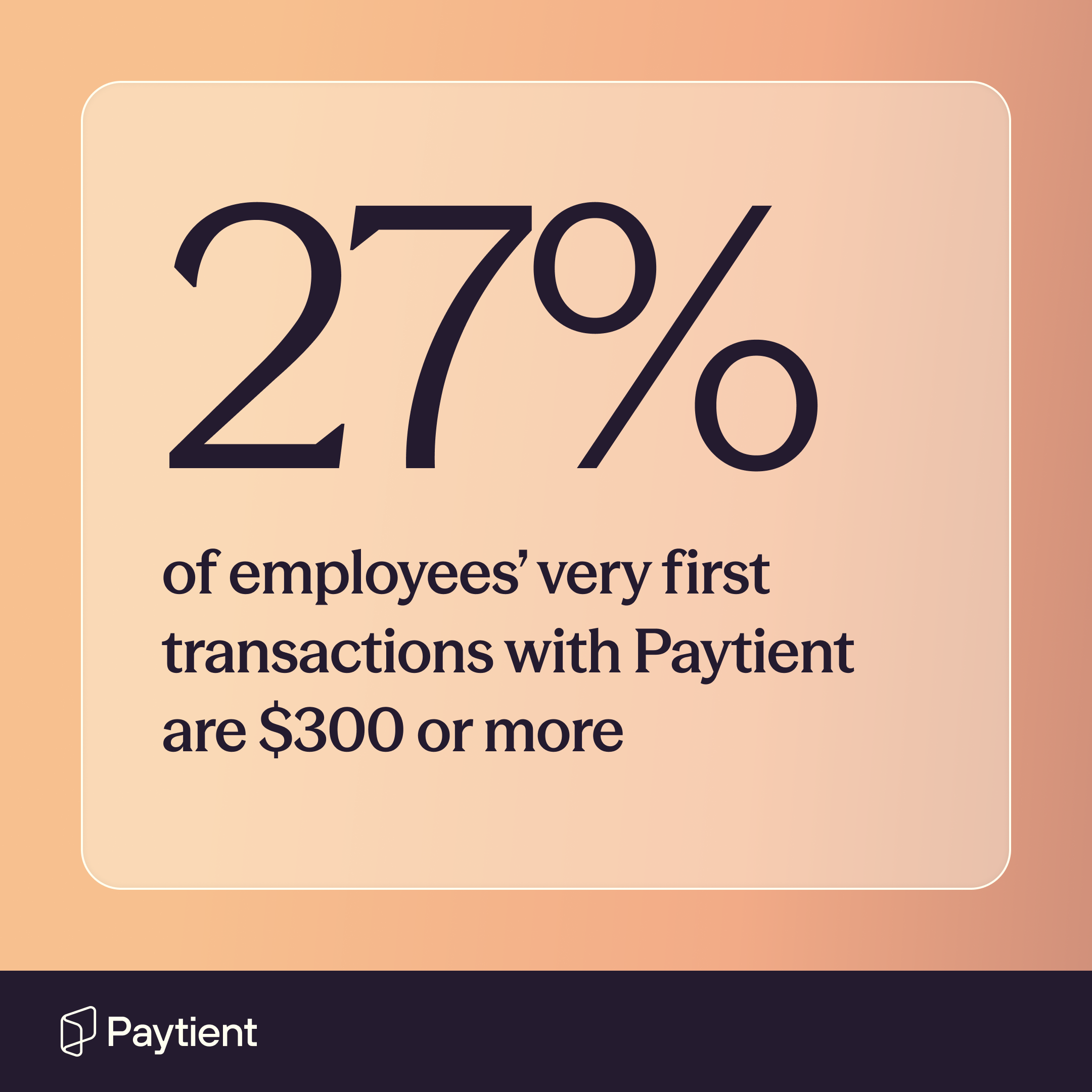
Those numbers are worth sitting with. The first time an employee has a way to pay for care over time — the very first time — more than one in four go straight to a bill that most households can't absorb in a single paycheck. That's not an impulse purchase. That's a backlog clearing. And it happens fast. Four in ten of those $300-plus first swipes come within ten days of the employee opening their account. They didn't sign up and then find a need. The need was already there.
The Affordability Gap Is Real, and the Data Proves It
Start with the math. Between 1999 and 2024, total family premiums rose 342%. Worker contributions toward those premiums rose 308%. Worker earnings? 119%. That gap — between what coverage costs and how paychecks have grown — is the distance between being "covered" and being able to actually use that coverage.
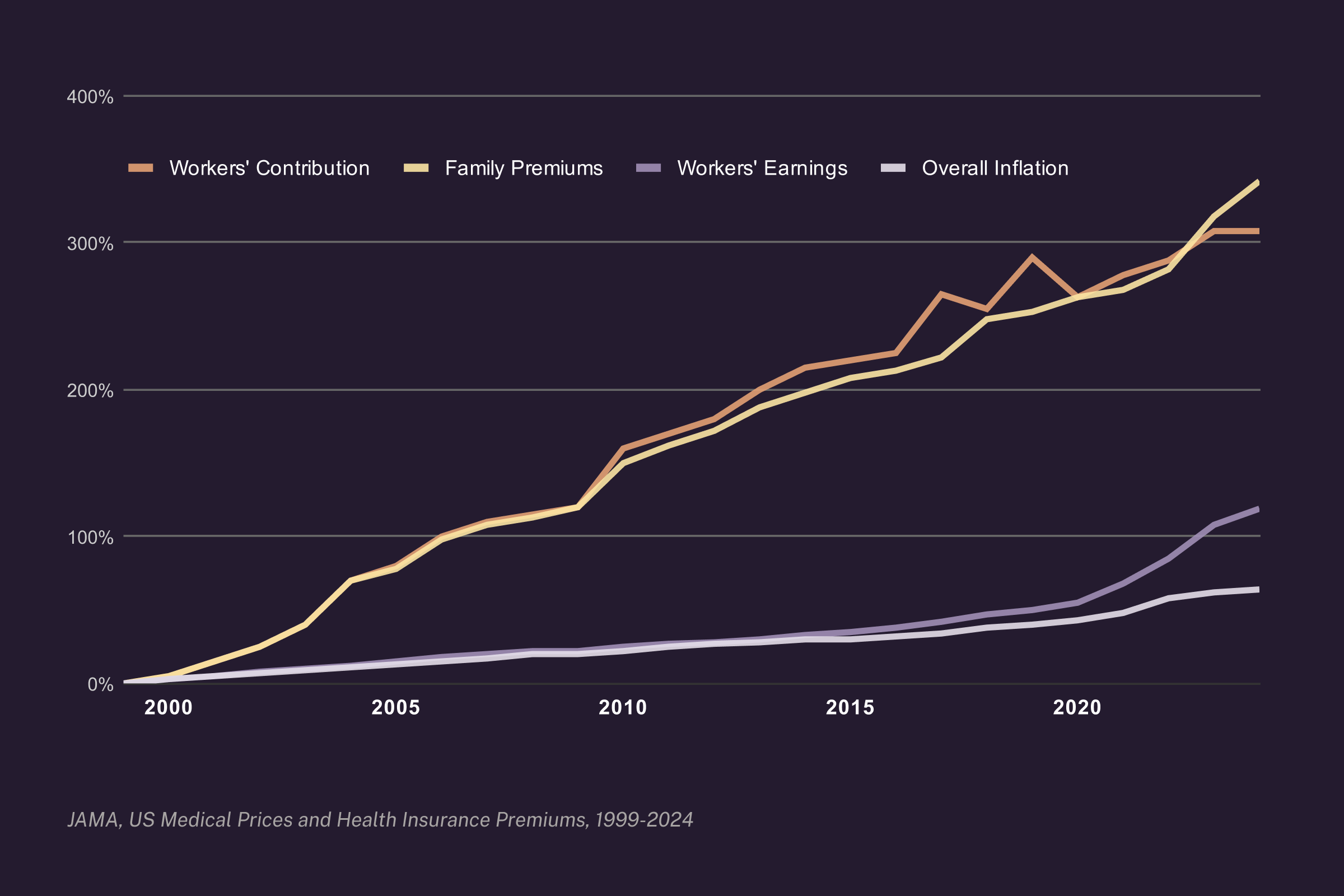
For 40% of workplace-insured Americans, that gap doesn't get bridged. Not because they don't want care. Because they can't produce the money at the moment care is needed.
The result isn't avoidance or indifference. It's a queue. Procedures delayed until the calendar "works." Specialist visits deprioritized in favor of rent, groceries, and everything else that comes due on a fixed cycle. Conditions managed — barely — with the assumption that something will eventually give.
Where the Employee Spending Goes First
The categories tell you exactly what people were waiting on.
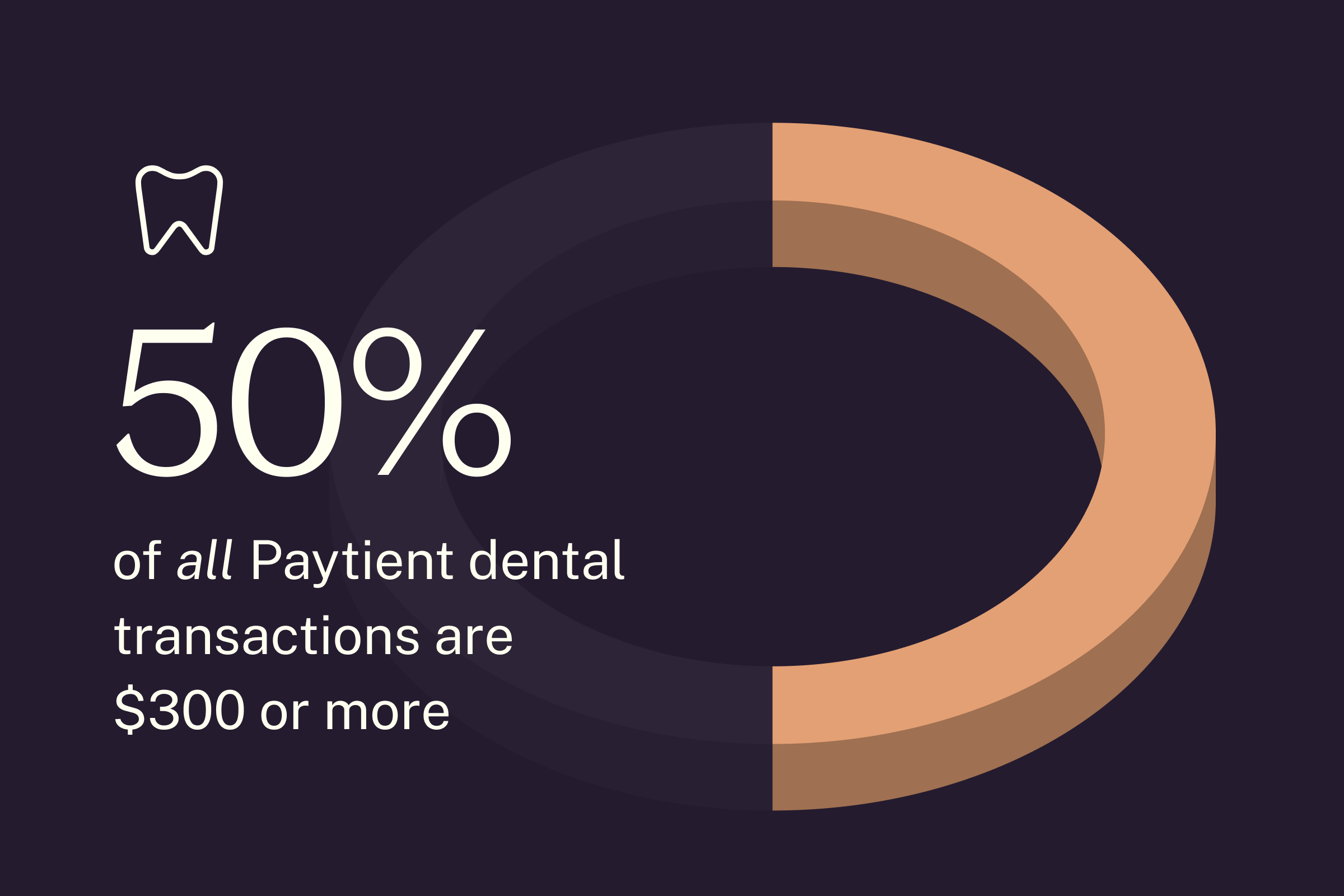
Dental is the starkest case. Our research found that 56% of insured employees delay dental care — more than any other category. And our transaction data reflects the weight of that delay: 50% of all Paytient dental transactions are $300 or more, and dental accounts for nearly 23% of all first-time high-dollar transactions across the entire platform. These aren't cleanings. They're the root canals, the crowns, the extractions that got pushed year after year because the upfront cost was too steep.
Veterinary care isn't far behind. Forty-four percent of first-time vet transactions exceed $300. Pet health doesn't wait, and neither do pet owners when they finally have a way to pay for it.
Medical care — visits, imaging, procedures — shows 22% of first transactions over $300.
Pharmacy spending follows a different rhythm. Nearly half of all pharmacy transactions fall under $40 — maintenance medications get refilled on a regular schedule, and being able to pay over time makes it easier to keep those refills on schedule. But even in pharmacy, more than 8% of first transactions exceed $300, pointing to prescriptions that had been going unfilled. The medications were prescribed. They just couldn't be picked up.

How Healthcare Spending Changes After the First Transaction
What's notable is what happens after the first wave. Seventy-one percent of employees whose first transaction was $300 or more come back and swipe again — on average 75 days later. That gap reflects something deliberate. The acute thing got handled. Life continued. Then the next need arose, and they had a way to pay for that one too.
When employees return, the amounts look different. The average first swipe for this group is $702. The average on every swipe after that is $236. The first swipe is the outlier — it's the one carrying the backlog.

Some high-dollar needs persist — 11% of subsequent swipes are still $300 or more, which makes sense. Healthcare isn't always predictable, and some ongoing conditions carry real cost. But the pattern holds: employees who use Paytient once keep using it. Not someday. When care is needed.
What the First Swipe With Paytient Actually Measures
The first transaction in an employee's history isn't a data point about spending. It's a data point about waiting. When employees have the ability to pay for care when it’s needed, they stop waiting — and the clearing of that backlog, transaction by transaction, category by category, is what happens when the financial barrier finally comes down.




.png)